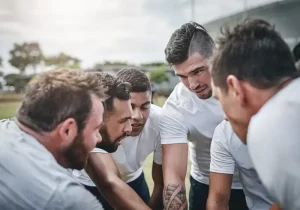
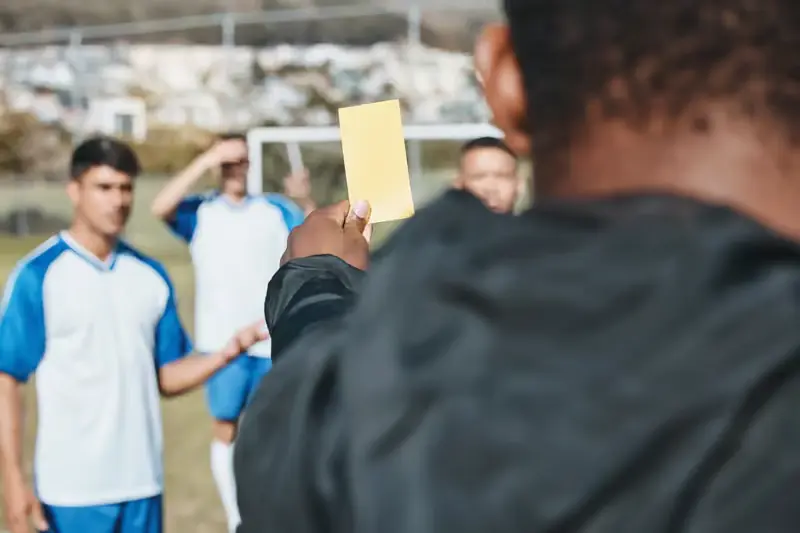
Winning against a tough opponent requires more than talented players and physical preparation. It demands clear leadership, intelligent planning, and the ability to respond when circumstances change. Strong teams often have skilled athletes, experienced coaches, and well-developed systems. Defeating them requires a thoughtful approach that turns a team’s strengths into practical advantages. Coaches must understand their opponents, recognize their own limitations, and prepare players for different competitive situations. They must also make difficult decisions under pressure without disrupting team confidence. Effective coaching strategies for games bring these responsibilities together. They help teams compete with greater discipline, make better decisions, and maintain performance when the challenge becomes difficult.
Understanding the Opponent Before the Competition
Preparation should begin long before the competition starts. Coaches need to understand how their opponents approach games and which situations create problems for them. Reviewing previous performances can reveal important patterns. These may include aggressive attacking movements, defensive weaknesses, predictable formations, or dependence on particular players. This information helps coaches prepare a plan based on evidence rather than assumptions.
Opponent analysis should focus on both individual and collective performance. A team may have an excellent striker but struggle to protect space in midfield. Another may defend effectively as a unit but become vulnerable when forced to change its formation. Identifying these details allows coaches to develop specific responses.
However, analysis should not become an attempt to predict every possible action. Competitors can change their approach, especially when they recognize that their usual tactics are ineffective. Coaches should therefore identify likely patterns while preparing alternative responses. The objective is to understand the opponent well enough to make informed decisions, not to create a rigid plan that depends on everything going as expected.
Analyzing Tactical Patterns and Player Behavior
Video footage can help coaches identify movements and decisions that are difficult to recognize during live competition. They can examine how opponents respond to pressure, organize defensive transitions, and create scoring opportunities. Performance records can provide additional context by showing where certain players are most effective.
Coaches should turn these observations into practical training objectives. If an opponent frequently attacks through one side, players can practice protecting that area. If a team struggles against quick transitions, training can emphasize rapid movement after regaining possession. This makes opponent analysis directly relevant to performance.
Preparing for Different Competitive Scenarios
A useful preparation process considers several possible situations. Coaches should plan for early pressure, unexpected setbacks, changes in player availability, and opponents adopting unfamiliar tactics. Scenario-based training helps athletes recognize these situations without becoming confused.
Players should understand the purpose behind each adjustment. When they know why a particular response is necessary, they can make better decisions even when the coach cannot communicate immediately.
Building a Game Plan Around Team Capabilities
An effective game plan should reflect what a team can realistically execute. Coaches sometimes become overly focused on copying successful opponents. However, a strategy that works for one team may not suit another. Differences in player experience, physical ability, technical skills, and communication can make the same approach ineffective.
The first step is to assess the team’s actual capabilities. Coaches should identify reliable strengths, recurring weaknesses, and areas where improvement is possible. These findings can guide decisions about formations, playing tempo, attacking responsibilities, and defensive organization.
For example, a team with strong defensive coordination but limited attacking speed may benefit from a patient approach that prioritizes possession and controlled opportunities. A team with quick, mobile players may perform better when it can create space and transition rapidly. The best strategy uses available strengths while reducing exposure to weaknesses.
Player responsibilities must also be clear. Athletes should understand their primary roles, supporting duties, and expected responses during important situations. Clear responsibilities reduce hesitation and prevent several players from attempting to solve the same problem independently.
At the same time, a good game plan should allow creativity. Players need enough freedom to respond to opportunities that cannot be anticipated in advance. Coaches should establish a clear tactical structure without controlling every decision. This balance encourages intelligent initiative while preserving team discipline.
Developing Tactical Flexibility During High-Pressure Games
Even carefully prepared strategies can become ineffective once competition begins. An opponent may change its formation, increase pressure, or target a specific weakness. A team that cannot adapt may lose control despite having prepared well.
Tactical flexibility allows coaches to respond without abandoning the overall game plan. This may involve changing the team’s shape, adjusting defensive intensity, slowing the pace, or assigning different responsibilities to particular players. The appropriate decision depends on the situation and the team’s ability to execute it.
Coaches must also distinguish between a genuine tactical problem and a temporary difficult period. A short scoring run by an opponent does not always require a major adjustment. Reacting too quickly can create confusion and weaken a structure that was otherwise working. Decisions should be based on repeated patterns, clear performance problems, and the remaining time available.
Making Effective Adjustments Without Losing Structure
A successful adjustment should solve a specific problem. Coaches should identify what is going wrong, select a practical response, and communicate it clearly. Changing several elements simultaneously can make it difficult for players to understand their responsibilities.
For example, if an opponent is creating too much space through the middle, the coach might adjust positioning or strengthen support in that area. The team can maintain its broader approach while addressing the immediate weakness.
It is also useful to rehearse adjustments during training. Players who have already practiced alternative formations or defensive responses can implement them more confidently during competition.
Responding to Unexpected Opponent Advantages
Strong opponents may gain momentum through aggressive pressure, effective individual performances, or successful changes in strategy. Coaches should avoid allowing these developments to create panic.
A calm response begins with identifying the source of the problem. If one opponent is dominating an individual matchup, the team may need additional support or a different assignment. If pressure is disrupting possession, players may need simpler passing options and better spacing.
The objective is to restore control gradually. Small, well-timed changes are often more effective than dramatic tactical decisions.
Strengthening Player Confidence and Mental Readiness
Mental preparation is an essential part of competitive coaching. Players facing a stronger opponent may feel additional pressure to perform perfectly. This can lead to hesitation, rushed decisions, and unnecessary mistakes.
Coaches can reduce this pressure by setting realistic performance objectives. Instead of focusing entirely on winning, they can emphasize controllable actions such as communication, positioning, concentration, and disciplined execution. These objectives give players a clear purpose throughout the competition.
Confidence should also be developed through preparation. Training sessions that simulate difficult situations help athletes become familiar with pressure. Coaches can introduce time limits, challenging opponents, and scenarios where teams must recover from an early disadvantage.
Feedback plays an important role as well. Criticism should identify what needs improvement without damaging a player’s confidence. Specific guidance is more useful than general negative comments. For instance, explaining how to improve positioning gives an athlete something practical to apply.
Recovery from mistakes deserves particular attention. Even experienced players make errors. Coaches should encourage athletes to acknowledge mistakes, regain concentration, and focus on the next action. This prevents one poor decision from affecting the rest of the performance.
Managing Player Roles, Energy, and Substitutions
Player management becomes increasingly important when competitions involve high physical demands. Fatigue can affect concentration, reaction time, movement, and decision-making. A team may begin strongly but lose effectiveness if its energy is not managed properly.
Coaches should consider individual fitness, recent workload, injury concerns, and the physical demands of specific roles. Not every player experiences competition in the same way. Some positions require repeated high-intensity movements, while others involve sustained concentration and positional discipline.
Substitutions should be connected to the team’s tactical needs. A coach may introduce a fresh player to increase attacking pressure, strengthen defensive organization, or improve control in a particular area. Decisions should consider the current situation rather than rely only on a player’s reputation or previous performance.
Clear role communication is equally important. Substitute players should understand what is expected when they enter the competition. Existing players must also recognize how their responsibilities may change. This prevents confusion during transitions.
Coaches should avoid making substitutions solely because of one mistake. A player may still be performing an important role despite a temporary error. Decisions should consider the overall contribution and the team’s requirements.
Improving Communication and Leadership on the Field
Communication connects preparation with execution. Players need clear information about tactical responsibilities, positioning, and changes during competition. When instructions are confusing or inconsistent, even a strong strategy can fail.
Coaches should use simple and direct language. Instructions delivered during high-pressure moments must be easy to understand and apply. Long explanations are rarely useful when players need to respond immediately.
Leadership should also extend beyond the coaching staff. Team captains and experienced athletes can reinforce instructions, encourage teammates, and help maintain concentration. Their influence becomes especially valuable when the competition becomes intense.
Good communication is not limited to giving directions. Coaches should listen to players who identify practical problems on the field. Athletes may notice changes in opponent behavior or physical conditions before these become obvious from the sidelines. Their observations can help coaches make better decisions.
Regular team discussions can strengthen this relationship. Reviewing difficult situations in training encourages players to communicate openly and take responsibility for collective performance.
Using Performance Data to Improve Coaching Decisions
Performance data can make coaching decisions more precise. Statistics provide information about areas that may require attention, while match footage helps explain why certain outcomes occurred.
Depending on the sport, useful indicators may include scoring efficiency, possession, turnovers, defensive errors, successful passes, workload, and individual contribution. These measurements can reveal patterns that are not immediately obvious during competition.
However, statistics should always be interpreted in context. High possession does not automatically mean a team controlled the competition. A player with fewer scoring opportunities may still contribute through defensive work, movement, or creating space for teammates.
Coaches should combine numerical evidence with observation. If data shows that a team repeatedly loses possession in a particular area, video analysis can help identify the underlying cause. The problem might involve poor positioning, rushed decisions, or a lack of passing options.
Data is most useful when it leads to practical action. Coaches can use findings to adjust training sessions, improve individual responsibilities, and measure progress over time. Collecting large amounts of information without applying it adds little value.
Learning From Setbacks and Refining Future Strategies
A difficult result can reveal weaknesses that routine training may not expose. Coaches should review performance objectively rather than focus only on the final score. A team can lose despite executing several parts of its strategy effectively. Similarly, a victory may hide problems that could become serious against a stronger opponent.
Post-game evaluation should examine preparation, tactical execution, communication, player management, and important decisions. Coaches can identify which parts of the plan worked, where the team struggled, and whether adjustments were made at the right time.
Player feedback should form part of this process. Athletes can explain whether instructions were clear, whether responsibilities were realistic, and which situations created the greatest difficulty. Combining these observations with performance data creates a more complete evaluation.
The next step is to turn findings into focused improvements. If defensive transitions were weak, training should include exercises that develop recovery movement and coordination. If players struggled under pressure, coaches can introduce more demanding decision-making scenarios.
Improvement should be measured consistently. Reviewing progress over several competitions helps distinguish lasting development from temporary results. This creates a learning process in which every performance contributes to future preparation.
Conclusion
Securing victories against tough opponents requires a combination of preparation, leadership, and intelligent decision-making. Coaches must understand competing teams, develop plans around their own players’ abilities, and remain flexible when circumstances change. They must also protect player confidence, manage energy, communicate clearly, and use performance information effectively. Most importantly, coaching should continue beyond the final result. Reviewing decisions and addressing weaknesses help teams become more capable over time. The most effective coaching strategies for games do not depend on a perfect plan or individual talent alone. They create an organized team that can think clearly, adapt under pressure, and execute its responsibilities when competition becomes demanding.