Confidence does not always come naturally, especially when students are trying something new. Some feel nervous speaking in class, meeting new people, or joining activities where everyone seems more experienced. School sports can help students work through these feelings in a fun, practical way.
They offer chances to make friends, learn new skills, and discover personal strengths. Winning a match is exciting, of course, but the real value often comes from the small improvements students make along the way.
More Than Just Games
School sports give students opportunities to learn outside the classroom. Joining a team can help them meet classmates they might not otherwise talk to and feel more connected to school life. Imagine a student joining a basketball team for the first time.
They might miss several shots or struggle to follow the game. It can feel embarrassing at first, especially when other players seem confident. With practice and encouragement, those early mistakes become part of learning.
Build Everyday Life Skills
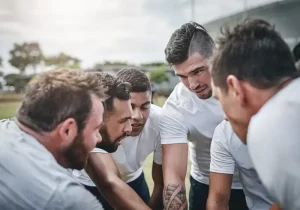
Playing sports involves more than physical activity. Students learn useful habits that can help them at school, at home, and when working with others. Teamwork is a good example. Players must communicate, share responsibility, and support each other rather than focusing only on their own performance.
If one teammate makes a mistake, encouragement is usually more helpful than blame. Sports also teach discipline and patience. Students need to attend practice, listen to their coaches, and keep working on skills that may take weeks to improve. These habits can carry over into schoolwork, where difficult subjects sometimes require repeated effort.
Explore Private School Sports
School athletic programs can help students discover activities they enjoy while giving them opportunities to improve their abilities. Private school sports may include team games and individual activities, allowing students to explore different interests.
A student who does not enjoy football might discover a love for swimming, tennis, or track events. Trying something unfamiliar can be a valuable experience, even if it does not become a lifelong hobby. Parents and students should ask schools which sports are available, whether beginners can participate, and how practice schedules fit around classes.
Make Space For Everyone
Not every student wants to compete for trophies or play in front of a crowd. Some enjoy relaxed games with friends, while others prefer activities where they can focus on personal progress. Schools can support different interests by offering varied activities and making sure beginners feel welcome.
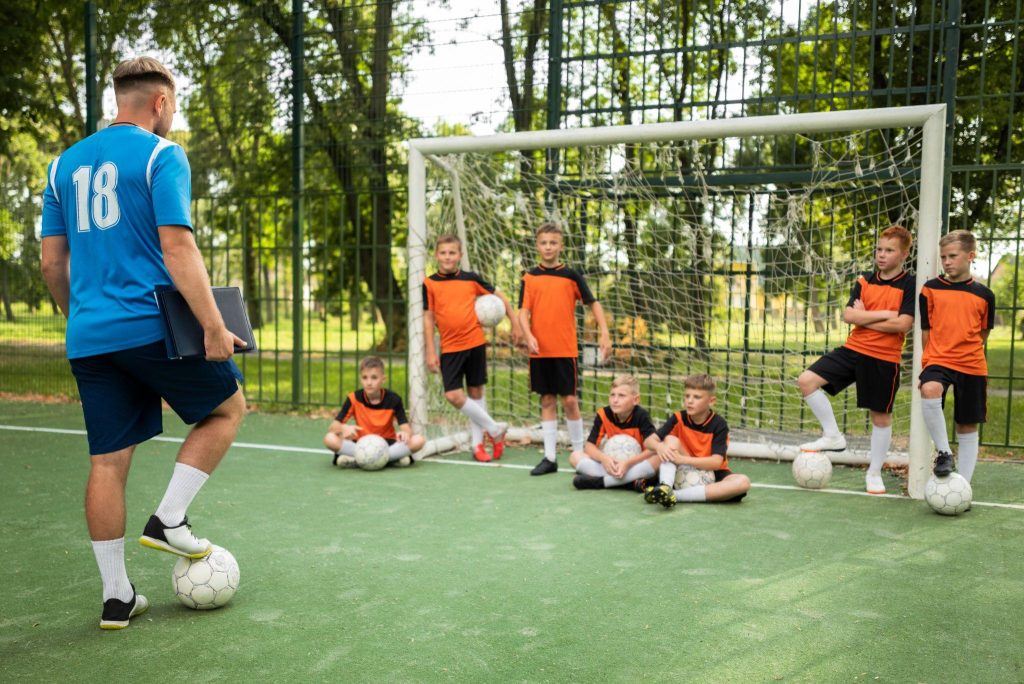
Individual sports may appeal to students who prefer working toward their own goals, while recreational games provide a less competitive way to stay active. Coaches play an important role in creating a positive environment. Encouraging effort, teaching fair play, and treating mistakes as learning opportunities can help students feel comfortable participating.
Keep A Healthy Balance
Sports should make school life more enjoyable, not leave students feeling exhausted and overwhelmed. Balancing practice with homework, sleep, meals, and family time helps them benefit from activities without neglecting other needs.
Planning a weekly schedule can make busy days easier. Students might complete homework before practice when possible and prepare their sports equipment the night before. Regular meals and enough sleep also help with concentration, energy, and recovery.